 delishing
How to Cook Dried Beans: A Comprehensive Guide to Stovetop, Instant Pot, Slow Cooker, and Oven Methods

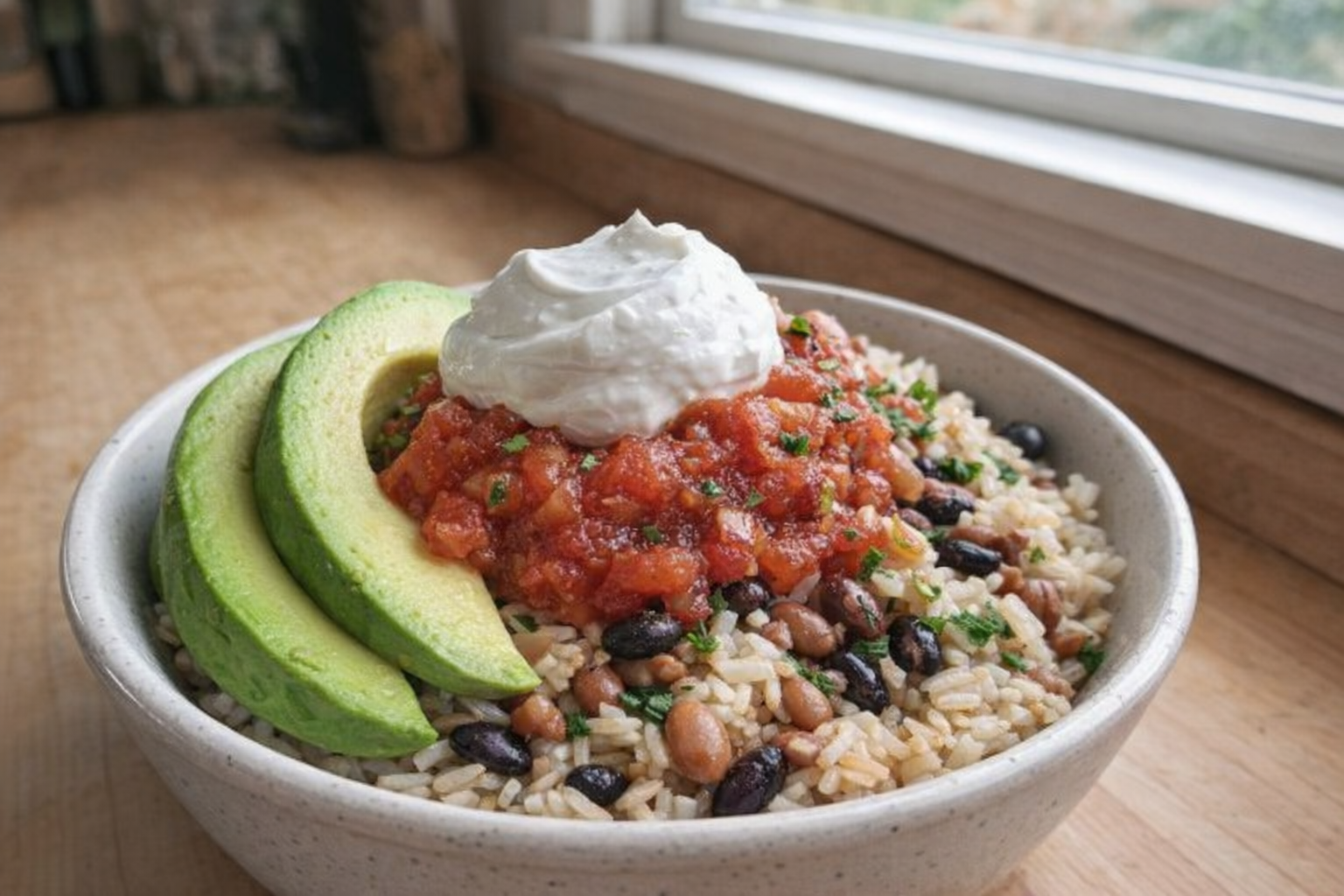
Dried beans are a culinary staple celebrated for their earthy, comforting flavor and incredible versatility. They offer a blank canvas for various flavor profiles, from Southwestern chili to Mediterranean salads. Cooking dried beans from scratch allows you to control the texture and seasoning, resulting in a superior taste compared to canned varieties. Mastering this technique unlocks a world of delicious and affordable meals.
This comprehensive guide will walk you through preparing and cooking dried beans using four different methods: stovetop, Instant Pot, slow cooker, and oven. Each method offers unique advantages in terms of time, convenience, and flavor development.
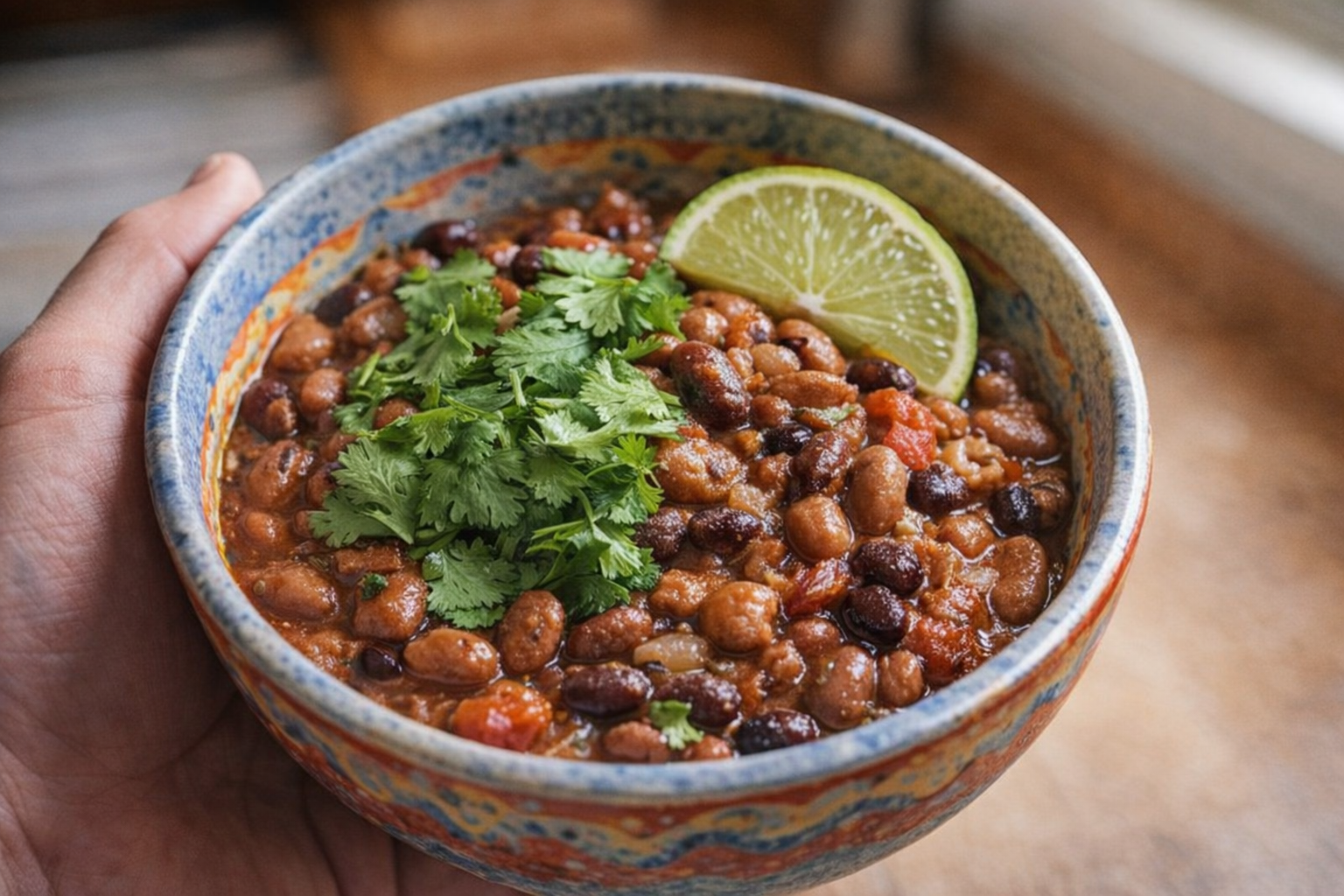
Understanding Dried Beans
The world of dried beans is vast, encompassing various shapes, sizes, and flavors. Common types include:
- Black Beans: Known for their slightly sweet and earthy flavor, ideal for Latin American dishes.
- Pinto Beans: A staple in Southwestern cuisine, often used in refried beans.
- Navy Beans: Small, creamy beans perfect for soups and stews.
- Kidney Beans: Large, kidney-shaped beans with a rich, robust flavor, essential for chili.
- Chickpeas (Garbanzo Beans): Nutty and versatile, used in hummus, salads, and curries.
- Great Northern Beans: Mild and delicate flavor, suitable for absorbing other flavors in casseroles and stews.
Why Cook Dried Beans This Way?
- Versatility: Cooked beans can be used in countless dishes, from soups and salads to tacos and dips.
- Flavor: Dried beans absorb flavors beautifully during cooking, allowing you to create custom flavor profiles.
- Convenience: While requiring some initial preparation, cooked beans can be stored for later use, saving time on busy weeknights.
- Cost-Effective: Dried beans are significantly cheaper than canned beans, making them a budget-friendly source of protein and fiber.
- Health Benefits: Rich in fiber, protein, and essential nutrients, beans contribute to a healthy diet.
Preparation (Mise en Place)
Before cooking, dried beans require soaking to rehydrate them and reduce cooking time. Soaking also helps remove some of the indigestible sugars that can cause gas.
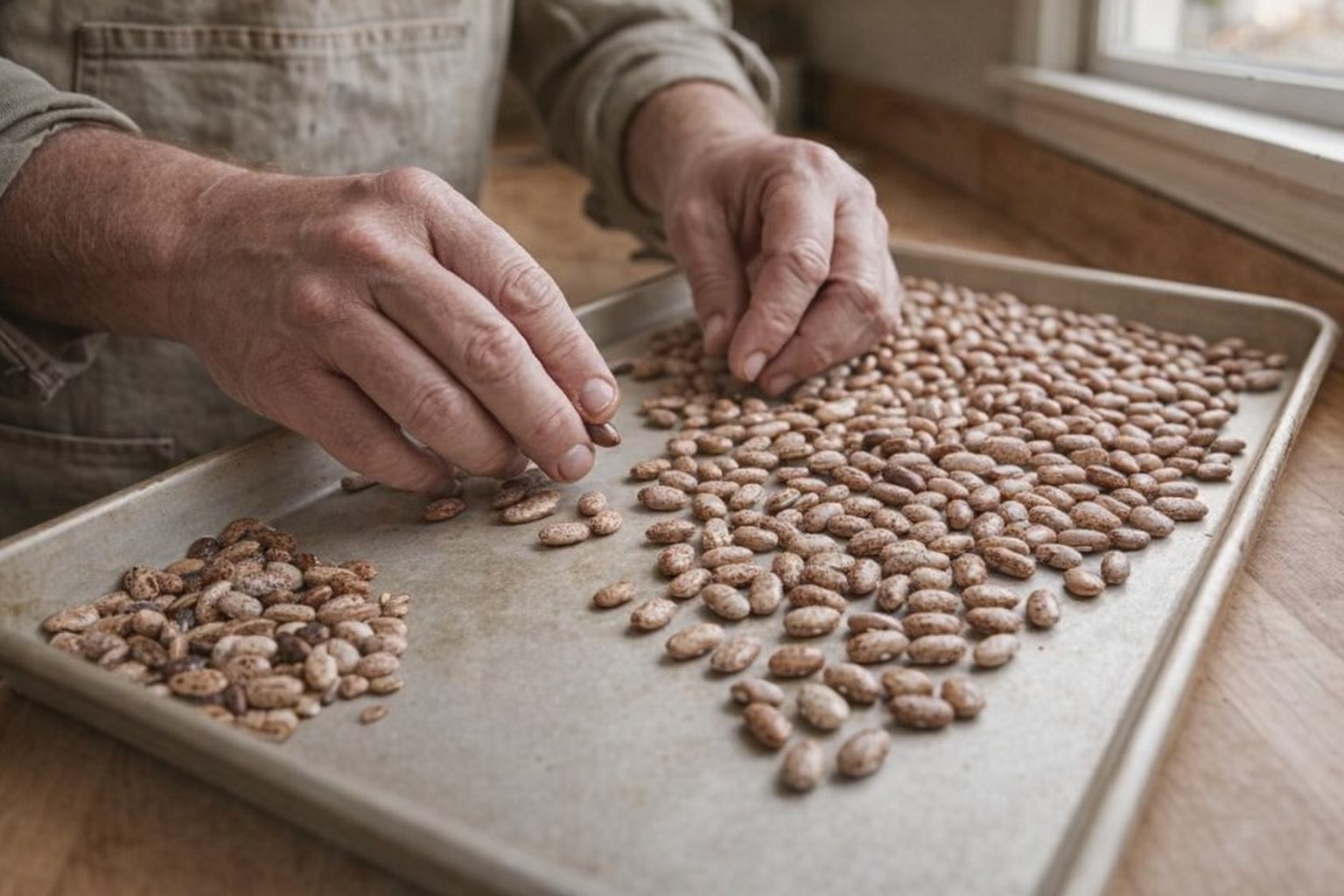
- Sorting and Rinsing: Spread the dried beans on a baking sheet and remove any debris, stones, or shriveled beans. Rinse the beans thoroughly under cold water.
- Overnight Soak Method: Place the rinsed beans in a large bowl or pot and cover with cold water, ensuring the water level is about 2 inches above the beans. Add a teaspoon of salt to the water (this helps season the beans and may improve texture). Refrigerate for at least 8 hours or overnight.
- Quick-Soak Method: If short on time, place the rinsed beans in a pot and cover with water. Bring to a boil, then boil for 2 minutes. Remove from heat, cover, and let stand for 1 hour.
Essential Tools
- Large Bowl or Pot: For soaking the beans.
- Colander: For draining and rinsing the soaked beans.
- Heavy-Bottomed Pot (for stovetop method): Provides even heat distribution and prevents scorching.
- Instant Pot (for Instant Pot method): A pressure cooker that significantly reduces cooking time.
- Slow Cooker (for slow cooker method): Ideal for long, slow cooking, resulting in tender beans.
- Oven-Safe Pot with Lid (for oven method): Allows for even cooking in the oven.
The Cooking Methods
Method 1: Stovetop
The stovetop method offers the most control over the cooking process, allowing you to adjust seasonings and monitor the texture as the beans cook.
Ingredients
- 1 pound (450g) dried beans, soaked and drained
- 8 cups (2 liters) water or broth
- 1 teaspoon salt (or to taste)
- 1 onion, halved (optional)
- 2-3 cloves garlic, crushed (optional)
- 1 bay leaf (optional)
- Additional seasonings to taste (e.g., cumin, chili powder, oregano)
Instructions
- Drain the soaked beans and rinse them under cold water. Place them in a heavy-bottomed pot.
- Cover the beans with fresh water or broth, ensuring the liquid level is about 2 inches above the beans.
- Add the salt, onion, garlic, bay leaf, and any other desired seasonings. The aroma of garlic and onion simmering in the water will start to fill your kitchen.
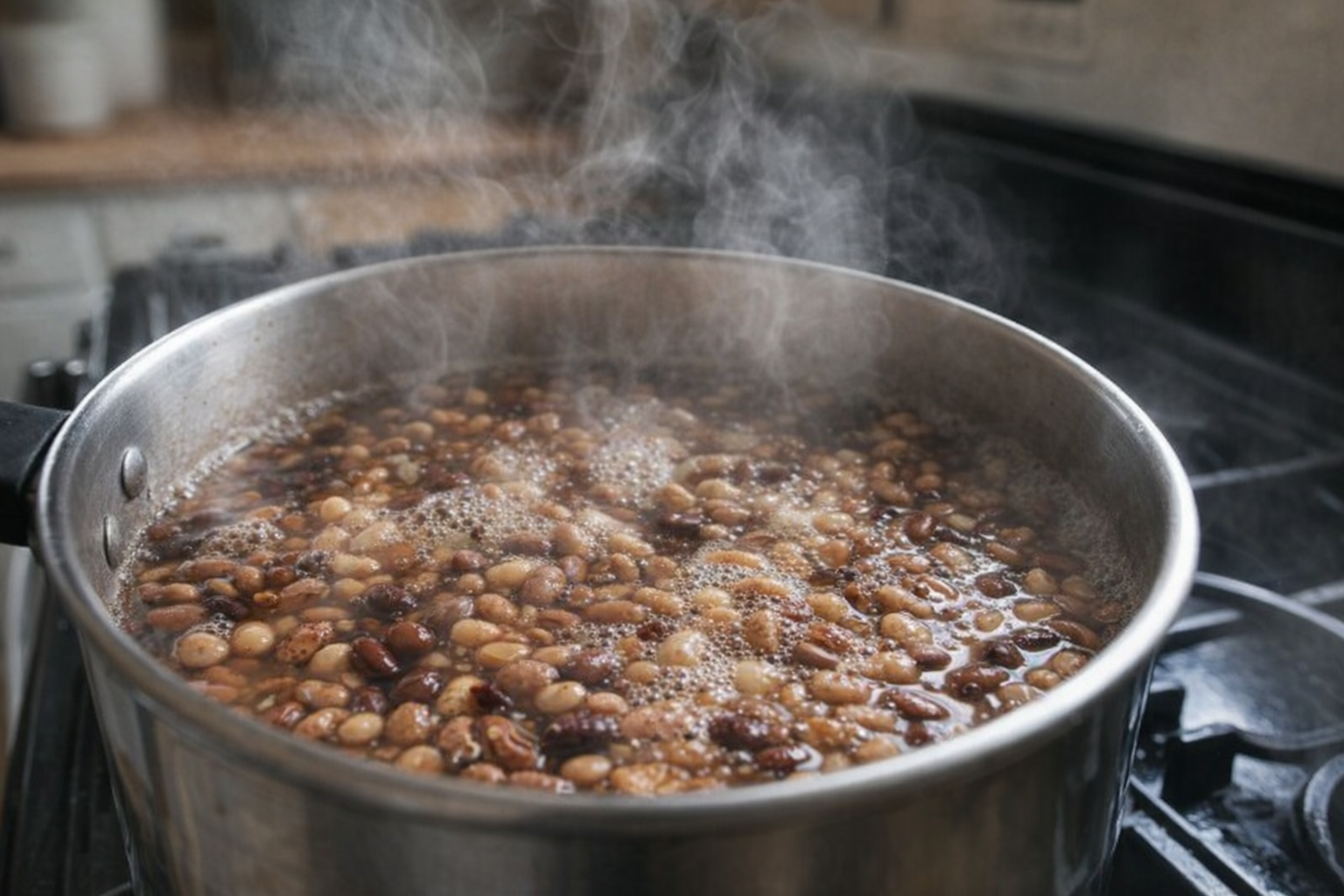
- Bring the mixture to a boil over high heat, then reduce the heat to low, cover the pot (slightly ajar to prevent boil-over), and simmer gently.
- Check the beans periodically, adding more hot water if the liquid level gets too low. You should hear a gentle simmer, not a rapid boil.
- Begin testing the beans for doneness after about 1 hour. They are done when they are tender and creamy but still hold their shape. The texture should be yielding, not mushy.
- Remove from heat and adjust seasonings to taste.
Method 2: Instant Pot
The Instant Pot method is the quickest way to cook dried beans, making it ideal for busy weeknights.
Ingredients
- 1 pound (450g) dried beans, soaked and drained (can be skipped for unsoaked beans, see notes below)
- 6 cups (1.5 liters) water or broth
- 1 teaspoon salt (or to taste)
- Optional seasonings as desired
Instructions
- Rinse the soaked beans and place them in the Instant Pot.
- Add the water or broth, salt, and any desired seasonings. Make sure the liquid covers the beans by about an inch.
- Close the lid, ensuring the pressure valve is in the sealing position.
- Set the Instant Pot to high pressure and cook for 15-20 minutes (for soaked beans) or 30-35 minutes (for unsoaked beans).
- Allow the pressure to release naturally for at least 15-20 minutes after cooking. This helps prevent the beans from splitting.
- Carefully release any remaining pressure, open the lid, and stir the beans.
- Check the texture and add more cooking time if needed (usually just a few more minutes under pressure). Season to taste.
Method 3: Slow Cooker
The slow cooker method is perfect for cooking beans while you're away from home. It results in exceptionally tender and flavorful beans.
Ingredients
- 1 pound (450g) dried beans, soaked and drained (can be skipped for unsoaked beans, see notes below)
- 8 cups (2 liters) water or broth
- 1 teaspoon salt (or to taste)
- Optional seasonings as desired
Instructions
- Place the rinsed beans in the slow cooker.
- Add the water or broth, salt, and any desired seasonings. Ensure the liquid covers the beans by about 2 inches.
- Cover the slow cooker and cook on low for 6-8 hours or on high for 3-4 hours.
- Check the beans for doneness after the minimum cooking time. They should be tender and creamy.
- If using unsoaked beans, add approximately 2 more hours to the cooking time and ensure there is sufficient liquid. Season to taste.
Method 4: Oven-Baked
The oven method provides even heating and results in creamy, flavorful beans.
Ingredients
- 1 pound (450g) dried beans, soaked and drained
- 8 cups (2 liters) water or broth
- 1 teaspoon salt (or to taste)
- Optional seasonings as desired
Instructions
- Preheat oven to 325°F (160°C).
- Place the drained beans in a heavy-bottomed, oven-safe pot with a lid.
- Add the water or broth, salt, and any desired seasonings.
- Bring the mixture to a boil on the stovetop. If cooking kidney or cannellini beans, boil for 15 minutes to eliminate toxins.
- Cover the pot tightly and transfer it to the preheated oven.
- Bake for 75-90 minutes, checking for doneness after 75 minutes. The beans should be tender but still hold their shape.
- Remove from oven and adjust seasonings to taste.
Cooking Time & Doneness Guide
| Method | Soaked Beans | Unsoaked Beans | Visual Cues |
| Stovetop | 1-2 hours | 1.5-2.5 hours | Tender, creamy texture; skins may slightly split. |
|---|---|---|---|
| Instant Pot | 15-20 mins | 30-35 mins | Tender, creamy texture. |
| Slow Cooker | 6-8 hours | 8-10 hours | Very tender, almost melting texture. |
| Oven-Baked | 75-90 mins | Not Recommended | Tender, evenly cooked; skins intact but yield easily to pressure. |
- Internal Temperature: While not typically measured, cooked beans should be heated through to at least 165°F (74°C).
Tips for Perfection
- Don't Overcrowd the Pot: Use a large enough pot or Instant Pot to allow the beans to expand without overcrowding. Overcrowding can lead to uneven cooking.
- Use Hot Water When Adding Liquid: If the liquid level gets too low during cooking, add hot water instead of cold water. Cold water can shock the beans and slow down the cooking process.
- Season Generously: Beans absorb flavors well, so don't be afraid to season them generously. Add salt, herbs, spices, and aromatics to enhance their flavor.
- Avoid Overcooking: Overcooked beans can become mushy and lose their shape. Check for doneness frequently and remove from heat when they are tender but still intact.
Storage & Reheating
- Storage: Cooked beans can be stored in an airtight container in the refrigerator for up to 5 days. For longer storage, freeze the beans in portion-sized containers for up to 6 months.
- Reheating: Reheat cooked beans in a saucepan over medium heat, stirring occasionally, until heated through. Add a splash of water or broth if needed to prevent sticking. Alternatively, reheat in the microwave for 1-2 minutes.
Serving Suggestions
- Classic Rice and Beans: A simple and satisfying meal.
- Bean Burritos: A flavorful and filling option.
- Bean Salads: Add cooked beans to your favorite salad for a protein boost.
- Bean Dip: Blend cooked beans with seasonings for a delicious dip.
💡 Pro Tips
- Always sort through dried beans before soaking to remove any small stones or debris that may have been missed during packaging.
- Use the quick-soak method by boiling beans for two minutes and letting them sit for an hour to significantly reduce the final cooking time.
- Add salt and acidic ingredients like tomatoes only after the beans have softened to prevent the skins from becoming tough.
- Maintain a gentle simmer rather than a rapid boil on the stovetop to ensure the beans cook evenly without breaking apart.
- When using an Instant Pot, allow for a natural pressure release to keep the beans intact and prevent them from bursting.
Frequently Asked Questions
Yes, you can use a quick-soak method. Place the rinsed beans in a large pot, cover with water, bring to a boil, and then boil for 2 minutes. Remove from heat, cover, and let stand for 1 hour before draining and cooking.
Beans are done when they are tender and easily mashed with a fork. Start checking for doneness about 30 minutes before the estimated cooking time is up, and continue to check every 15 minutes until they reach the desired consistency.
Absolutely! Cooked beans freeze exceptionally well. Allow the beans to cool completely, then portion them into freezer-safe bags or containers, leaving some headspace for expansion. They can be stored in the freezer for up to 3 months.
While some people prefer to add salt during soaking to help soften the beans, others prefer to add it towards the end of cooking. Adding salt at the beginning can sometimes toughen the skins of the beans, so consider adding it later for more consistent results.